Startup India 2.0: What It Means for New Business Owners
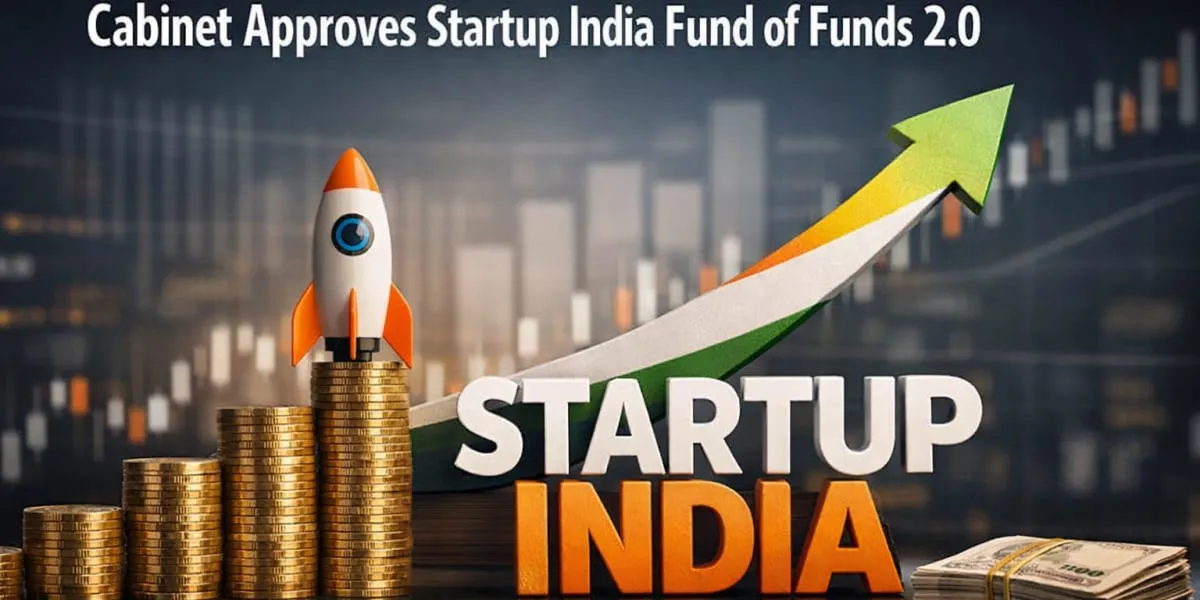
India’s startup ecosystem has matured rapidly over the past decade. From a modest innovation base, the country has grown into one of the largest startup markets in the world. With the introduction of Startup India 2.0, the government aims to strengthen this foundation and create a more structured and globally competitive entrepreneurial environment.
For new business owners, Startup India 2.0 is not merely a policy update. It represents a shift towards deeper regulatory support, improved access to capital and stronger governance expectations. Understanding its implications is essential for anyone planning to launch or scale a venture in India.
The Evolution of the Startup India Initiative
The original Startup India programme was launched in 2016 to encourage innovation, reduce regulatory burden and provide tax incentives. Over time, the ecosystem evolved. Thousands of startups registered under the initiative. Several achieved unicorn status and attracted global investment.
Startup India 2.0 builds on these foundations. It focuses on long term sustainability rather than only rapid expansion. The policy environment now emphasises compliance, digital governance and global integration.
The Department for Promotion of Industry and Internal Trade continues to oversee recognition and regulatory support for startups. Streamlined registration processes and digital platforms improve accessibility for founders across the country.
Enhanced Regulatory Support for New Ventures
One of the key aspects of Startup India 2.0 is simplified regulatory compliance. Online portals allow startups to register, access recognition certificates and apply for benefits with reduced administrative friction.
Faceless tax assessments and digital filings enhance transparency. Regulatory clarity reduces uncertainty for early stage ventures.
However, compliance discipline remains critical. Recognised startups must maintain proper documentation and meet eligibility criteria to retain benefits.
New business owners planning business formation in india should consider startup recognition criteria during the incorporation stage. Aligning structure and objectives with policy requirements can maximise available advantages.
Improved Access to Funding and Credit
Access to capital remains central to entrepreneurial growth. Startup India 2.0 strengthens funding mechanisms through government backed funds and credit guarantee schemes.
The Fund of Funds for Startups continues to channel investment through alternative investment funds. Credit support initiatives aim to reduce collateral barriers for early stage ventures.
In addition to domestic funding, global investors maintain strong interest in Indian startups. Venture capital and private equity firms conduct detailed due diligence before committing capital.
Cities such as Bengaluru, Mumbai and Hyderabad remain leading investment hubs. Startup India 2.0 seeks to expand this ecosystem into tier two and tier three cities.
For founders, structured governance and transparent compliance are essential to attract funding.
Tax Incentives and Financial Relief
Recognised startups may benefit from tax exemptions on profits for a specified period, subject to conditions. Capital gains exemptions and incentives for investment in eligible startups support fundraising efforts.
Angel tax provisions have undergone reforms to reduce compliance burdens. These changes aim to encourage genuine investment while maintaining oversight.
Financial relief measures under Startup India 2.0 seek to create a balanced environment. Startups receive support, yet regulatory integrity is preserved.
Entrepreneurs must maintain proper accounting systems and statutory filings to benefit from tax incentives. Financial discipline enhances long term viability.
Intellectual Property and Innovation Protection
Innovation lies at the heart of Startup India 2.0. The initiative supports faster examination of patent applications and reduced filing fees for recognised startups.
Intellectual property protection is essential for technology driven ventures. Proper registration safeguards brand identity and proprietary innovation.
Startups operating in sectors such as fintech, biotechnology and software services require structured legal planning. Early IP registration prevents disputes and enhances valuation during funding rounds.
India’s innovation ecosystem benefits from institutions such as Indian Institutes of Technology, which contribute research and technical expertise.
Startup India 2.0 integrates innovation with legal protection frameworks.
Focus on Digital Governance and Transparency
Digital transformation has strengthened India’s regulatory environment. Company registration, tax filing and compliance reporting occur through online portals.
Startup India 2.0 aligns with this digital governance approach. Data transparency and real time monitoring enhance accountability.
Regulators including the Securities and Exchange Board of India and the Reserve Bank of India maintain oversight in capital markets and financial services.
For startups in regulated sectors, compliance planning is crucial. Structured documentation and timely reporting reduce risk of penalties.
New business owners considering company incorporation in india should integrate compliance strategy into their operational blueprint from the outset.
Support for Emerging Sectors
Startup India 2.0 places emphasis on high growth sectors such as renewable energy, artificial intelligence, health technology and advanced manufacturing.
Policy support includes incubation assistance, research collaboration and sector specific incentives.
Renewable energy startups benefit from India’s sustainability commitments. Digital health ventures operate within evolving regulatory frameworks.
Sector specific support encourages diversification beyond metropolitan centres. Entrepreneurs in smaller cities can access mentorship and funding networks.
This expansion strengthens regional economic development and promotes inclusive growth.
Strengthening Startup Ecosystem Infrastructure
Incubators, accelerators and mentorship networks play a central role in Startup India 2.0. Government backed incubation centres provide guidance on compliance, funding and market strategy.
Academic institutions collaborate with industry to foster innovation. Public and private partnerships support research commercialisation.
The ecosystem now emphasises responsible entrepreneurship. Ethical governance, transparent accounting and sustainable practices are encouraged.
New founders benefit from a more structured and mature support system compared to earlier years.
Challenges and Responsibilities for Founders
While Startup India 2.0 offers substantial opportunities, founders must recognise responsibilities. Regulatory oversight has become more robust. Compliance failures can result in penalties or withdrawal of recognition.
Market competition has intensified. Global capital flows demand higher governance standards. Investors expect transparency and professional management.
Entrepreneurs must balance innovation with regulatory discipline. Strategic planning, legal advice and financial prudence are essential.
Startup India 2.0 rewards preparedness and structured execution.
The Long Term Vision
Startup India 2.0 reflects India’s ambition to become a global innovation hub. The initiative aims to integrate startups into international markets while strengthening domestic resilience.
Sustainable growth, digital governance and investor confidence form the pillars of this vision.
New business owners entering the ecosystem today operate in a more transparent and structured environment. This maturity enhances credibility and global competitiveness.
Entrepreneurs who embrace compliance and governance alongside innovation are likely to thrive.
Conclusion
Startup India 2.0 marks a significant evolution in India’s entrepreneurial landscape. It offers regulatory support, funding access and innovation incentives within a structured compliance framework.
For new business owners, the message is clear. Success requires more than a strong idea. It demands disciplined governance, financial transparency and strategic planning.
By aligning incorporation decisions, compliance strategy and innovation goals with Startup India 2.0 objectives, founders can build resilient and scalable enterprises.
India’s startup ecosystem continues to expand. Those who understand the policy framework and act with foresight will be best positioned to benefit from this next phase of growth.


Comments
Post a Comment