Post Pandemic Surge in Contractual Disputes Across Industries
The global pandemic disrupted supply chains, labour markets and financial systems on an unprecedented scale. While businesses have largely resumed operations, the legal consequences of pandemic era disruptions continue to unfold. Across industries, contractual disputes have risen sharply in the years following the crisis.
From infrastructure and real estate to technology and manufacturing, parties are seeking judicial and arbitral intervention to resolve claims linked to delays, non performance and financial loss. The post pandemic environment has exposed weaknesses in contractual drafting, risk allocation and force majeure clauses.
This article explores the reasons behind the surge in contractual disputes and how businesses are adapting to a more litigation conscious commercial landscape.
Disruption of Supply Chains and Performance Obligations
One of the most immediate impacts of the pandemic was supply chain disruption. Lockdowns, border closures and transport restrictions delayed delivery schedules worldwide.
Manufacturers struggled to source raw materials. Exporters faced shipping bottlenecks. Service providers encountered workforce shortages.
These disruptions triggered claims for breach of contract. Parties invoked force majeure clauses to excuse non performance. Others challenged the validity of such claims.
In many cases, contractual language lacked clarity. Disputes arose over interpretation and allocation of risk.
As a result, courts and arbitral tribunals across India have seen increased filings involving delayed performance and recovery claims.
Force Majeure and Frustration of Contracts
Force majeure clauses became central to pandemic era litigation. Parties relied on these provisions to suspend obligations or terminate agreements.
However, not all contracts included comprehensive force majeure language. Even where such clauses existed, interpretation varied.
Questions arose regarding whether pandemic conditions qualified as force majeure events. Courts examined contractual wording and factual circumstances.
In some instances, parties invoked the doctrine of frustration under Indian contract law.
Judicial decisions during this period have influenced how businesses draft future agreements.
The experience has underscored the importance of precise contractual language and risk allocation.
Real Estate and Infrastructure Disputes
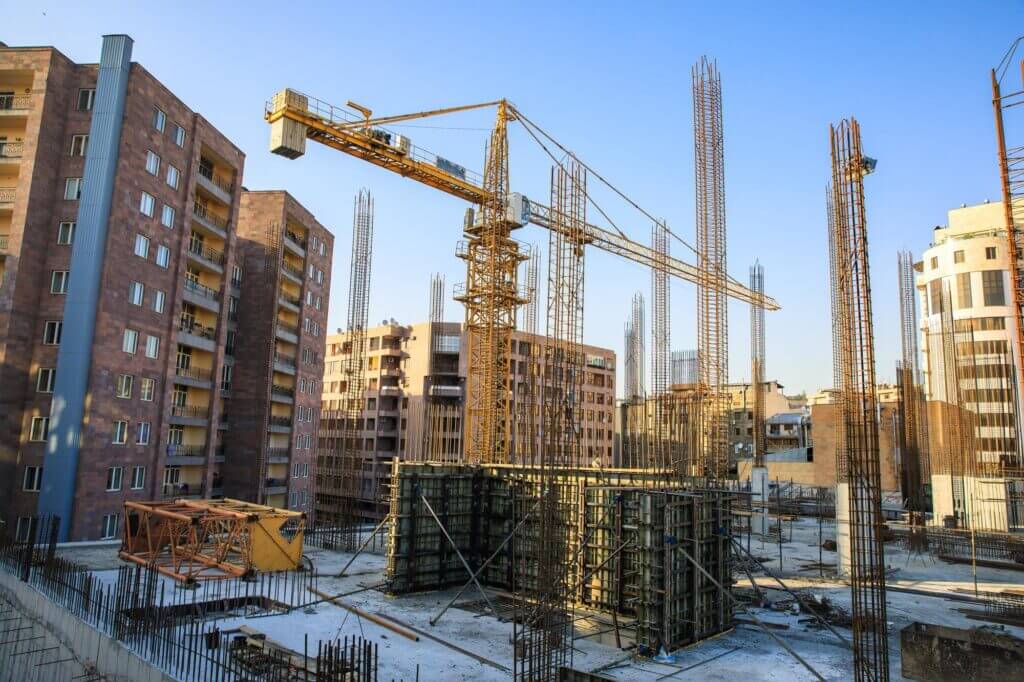
Real estate and infrastructure projects were particularly affected. Construction sites halted operations during lockdown periods. Labour shortages and material scarcity caused delays.
Developers faced claims from purchasers for delayed possession. Contractors raised cost escalation disputes.
Large scale infrastructure projects involving government entities also encountered renegotiation challenges.
Cities such as Mumbai and New Delhi have witnessed a notable rise in commercial suits and arbitration proceedings linked to project delays.
High value claims in these sectors continue to shape the commercial litigation landscape.
Rise in Commercial Lease Disputes
Commercial leasing arrangements became a major source of conflict. Lockdowns led to closure of retail outlets and office spaces.
Tenants sought rent waivers or deferments. Landlords pursued recovery of unpaid dues.
Disputes emerged over whether pandemic restrictions justified suspension of rent obligations.
Courts examined lease agreements carefully. Outcomes often depended on specific contractual provisions.
The leasing sector experienced prolonged litigation, reflecting broader economic strain.
Technology and Service Sector Claims
The technology sector demonstrated resilience during the pandemic. Yet it also faced contractual challenges.
Software service agreements encountered delays due to remote working transitions. Data security incidents increased as businesses adapted to digital operations.
Licensing agreements, outsourcing contracts and service level commitments became areas of dispute.
Companies managing high value contracts frequently consult a corporate law firm in india to assess exposure and negotiate settlement strategies in such complex matters.
As digital reliance increases, technology related disputes remain prominent.
Financial Stress and Payment Defaults
Economic uncertainty placed financial pressure on businesses across sectors. Payment defaults became common.
Suppliers initiated recovery suits. Service providers sought compensation for unpaid invoices.
Financial distress also triggered insolvency proceedings under the Insolvency and Bankruptcy Code.
Many contractual disputes are linked to delayed payments and restructuring negotiations.
The post pandemic recovery phase continues to reveal underlying financial vulnerabilities in commercial relationships.
Increased Reliance on Arbitration and Mediation
While court litigation has increased, arbitration and mediation have also gained prominence.
Parties often prefer confidential and faster dispute resolution mechanisms. Arbitration clauses in commercial agreements have been invoked frequently.
Institutional centres such as the Mumbai Centre for International Arbitration have reported growth in caseloads.
Mediation has been encouraged by courts in commercial matters to facilitate negotiated settlement.
Alternative dispute resolution has become a strategic tool for managing post pandemic disputes.
Contract Redrafting and Risk Management
The surge in disputes has prompted businesses to revisit contractual drafting practices.
Force majeure clauses are now more detailed. Pandemic specific language is included in many agreements.
Termination provisions, indemnity clauses and limitation of liability terms are being strengthened.
Legal teams conduct risk audits to identify exposure areas.
Businesses seek guidance from experienced professionals, including the best civil lawyer in india, when drafting or reviewing contracts to reduce litigation risk.
Preventive legal strategy has become a priority in corporate governance.
Sector Specific Trends
Different industries have experienced unique dispute patterns.
Healthcare and Pharmaceuticals
Supply contracts for medical equipment and pharmaceutical products led to pricing and delivery disputes.
Hospitality and Travel
Service cancellations, refund claims and franchise disputes increased significantly.
Manufacturing
Production delays and raw material shortages resulted in breach of contract claims.
Each sector reflects distinct contractual challenges linked to pandemic disruptions.
Understanding industry specific trends helps businesses design effective mitigation strategies.
Judicial Response and Commercial Courts
Commercial courts have adapted to handle increased caseloads. Digital filing systems and virtual hearings improved efficiency.
Judicial interpretation of force majeure and contractual obligations during pandemic conditions has shaped legal precedent.
Although backlog challenges remain, commercial courts have demonstrated resilience.
These developments contribute to greater predictability in dispute resolution.
Long Term Implications
The surge in contractual disputes has reshaped commercial behaviour. Businesses are more cautious in drafting agreements. Risk allocation is scrutinised carefully.
Contractual flexibility is valued alongside enforceability.
Boardrooms now treat contract management as a strategic function rather than a routine administrative task.
The pandemic has reinforced the importance of preparedness and legal foresight.
Conclusion
The post pandemic surge in contractual disputes across industries reflects the profound economic and operational disruption experienced during the crisis. Supply chain breakdowns, payment defaults, force majeure claims and sector specific challenges have driven litigation and arbitration activity.
Indian courts and arbitral institutions have played a central role in resolving these conflicts. At the same time, businesses are adapting by strengthening contract drafting and risk management practices.
As the commercial environment continues to evolve, contractual clarity and preventive legal strategy will remain essential. The lessons learned during the pandemic will likely shape commercial relationships and dispute resolution approaches for years to come.


Comments
Post a Comment