How India’s Changing Business Environment Is Redefining Commercial Legal Advice
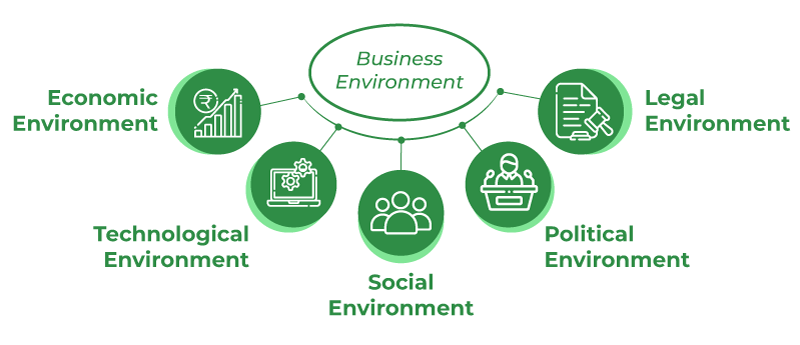
India’s business environment has undergone a profound transformation over the past decade. Economic liberalisation, digitalisation, regulatory reform, and global integration have reshaped how businesses operate and scale. As commercial activity grows more complex, the role of legal advice has evolved in parallel.
Commercial legal advice in India is no longer limited to compliance checks or dispute resolution. It now forms an integral part of business strategy, risk management, and long term planning. This shift reflects the realities of a fast moving, regulation conscious, and globally connected economy.
This article examines how India’s changing business environment is redefining the nature, scope, and expectations of commercial legal advice.
From Reactive Legal Support to Strategic Partnership
Traditionally, businesses sought legal advice only when disputes arose or filings were due. Today, this reactive approach no longer works. Commercial decisions now carry legal implications from the outset.
Market entry, pricing structures, distribution models, technology use, and partnerships all require legal evaluation at the planning stage. Commercial lawyers increasingly work alongside management teams to assess risk, structure transactions, and support growth objectives.
Legal advice has shifted from being a safety net to a strategic partnership.
Regulatory Evolution Driving Demand for Sophisticated Advice
India’s regulatory framework continues to mature across sectors such as technology, finance, manufacturing, and infrastructure. Laws now focus on transparency, accountability, and governance.
Businesses must navigate corporate law, competition regulation, consumer protection, data governance, and sector specific compliance. These layers require interpretation rather than simple rule following.
Commercial legal advice now involves analysing regulatory intent, anticipating enforcement trends, and aligning business strategy with evolving norms.
Rise of Cross Border Transactions and Global Integration
Indian businesses increasingly engage with international markets through exports, joint ventures, investments, and acquisitions. Foreign companies also view India as a key growth market.
Cross border transactions involve multiple legal systems, tax treaties, and enforcement considerations. Commercial lawyers play a vital role in structuring jurisdiction clauses, governing law provisions, and dispute resolution mechanisms.
Global integration has elevated expectations from commercial legal advisors, who must combine domestic expertise with international awareness.
Technology Led Business Models Reshaping Legal Needs
Digital platforms, software services, data driven businesses, and fintech ventures have introduced new legal challenges. Intellectual property protection, licensing structures, data usage, and platform governance demand precise legal input.
Standard contracts rarely suit technology driven models. Businesses require customised legal solutions aligned with innovation and scalability.
Commercial legal advice now supports product design, monetisation strategies, and data governance frameworks.
Increased Focus on Risk Allocation and Prevention
As transaction volumes rise, so does exposure to risk. Commercial disputes consume time, capital, and management focus.
Modern legal advice prioritises risk prevention. Lawyers focus on drafting contracts which allocate risk clearly, limit liability, and define remedies. Preventive legal frameworks reduce uncertainty and protect commercial value.
Dispute prevention has become as important as dispute resolution.
Commercial Law and Investor Expectations
India has witnessed significant growth in private equity, venture capital, and strategic investments. Investors conduct detailed legal due diligence before committing funds.
They assess contractual stability, governance structures, compliance history, and litigation exposure. Weak legal foundations often delay funding or affect valuations.
Commercial legal advisors now prepare businesses for investment readiness rather than responding after concerns arise.
Growing Importance of Sector Specific Expertise
India’s economy spans diverse sectors, each with distinct regulatory and commercial dynamics. Generic legal advice often fails to address sector specific risks.
Businesses increasingly seek lawyers who understand industry practices, regulatory authorities, and market behaviour. Sector focused legal advice improves negotiation outcomes and compliance confidence.
This demand has strengthened the role of specialised advisors within the top corporate law firms in India, which often combine regulatory insight with transactional experience.
Advisory and Management Relationships Under Scrutiny
As businesses grow, they rely on consultants, advisors, and management service providers for strategic and operational support. These relationships influence decision making and financial outcomes.
Poorly drafted advisory and management agreements often lead to disputes over scope, fees, confidentiality, and termination. Clear legal structuring protects business interests and ensures accountability.
Experienced Management service agreements lawyers help businesses define roles, align incentives, and reduce conflict in such arrangements.
Commercial Law Supporting Corporate Governance
Governance standards have gained prominence due to regulatory oversight and investor expectations. Boards, shareholders, and management teams require clarity on authority and responsibility.
Commercial legal advice supports governance through shareholder agreements, board frameworks, and internal policies. These instruments promote transparency and effective decision making.
Strong governance structures enhance credibility and long term sustainability.
Changing Approach to Dispute Resolution
Litigation remains time consuming and costly. Businesses increasingly prefer arbitration and mediation for commercial disputes.
Commercial lawyers now draft dispute resolution clauses tailored to transaction value, jurisdiction, and confidentiality needs. Strategic planning around dispute mechanisms reduces uncertainty and preserves relationships.
Alternative dispute resolution has become a key component of commercial legal strategy.
Compliance Integration into Business Operations
Compliance is no longer an isolated function. Businesses integrate compliance into daily operations, supported by legal guidance.
Commercial legal advice helps design compliance frameworks aligned with operational realities. This integration reduces regulatory risk without hindering efficiency.
Proactive compliance enhances resilience and regulatory trust.
Data Protection and Consumer Rights Influencing Advice
India’s evolving data protection and consumer laws affect how businesses collect, process, and use information. Commercial legal advice now extends to digital compliance and customer engagement practices.
Businesses must balance innovation with legal responsibility. Advisors guide companies on consent frameworks, data security, and consumer disclosures.
Legal advice supports ethical and compliant growth.
Customisation Over Standardisation
One of the most visible shifts involves the move away from standard templates. Businesses demand customised advice reflecting their size, sector, and growth stage.
Commercial legal advice now adapts to business models rather than forcing businesses to fit legal templates. This flexibility supports innovation and competitiveness.
Tailored legal solutions deliver higher value.
Commercial Lawyers as Business Advisors
Modern commercial lawyers act as business advisors. They understand revenue drivers, operational challenges, and strategic goals.
This perspective enables lawyers to offer practical solutions rather than theoretical compliance. Businesses benefit from advice which supports execution rather than obstructs progress.
The lawyer client relationship has become collaborative and forward looking.
Conclusion
India’s changing business environment has fundamentally redefined commercial legal advice. Legal support now extends beyond compliance into strategy, risk management, governance, and growth planning.
As businesses become more complex and interconnected, the demand for commercially aware legal advisors continues to rise. Companies which integrate legal insight into decision making gain stability, investor confidence, and operational clarity.
In a dynamic and regulated economy, commercial legal advice is no longer a back office function. It is a core driver of sustainable business success in India.


Comments
Post a Comment