How Strong POSH Practices Improve Employer Reputation
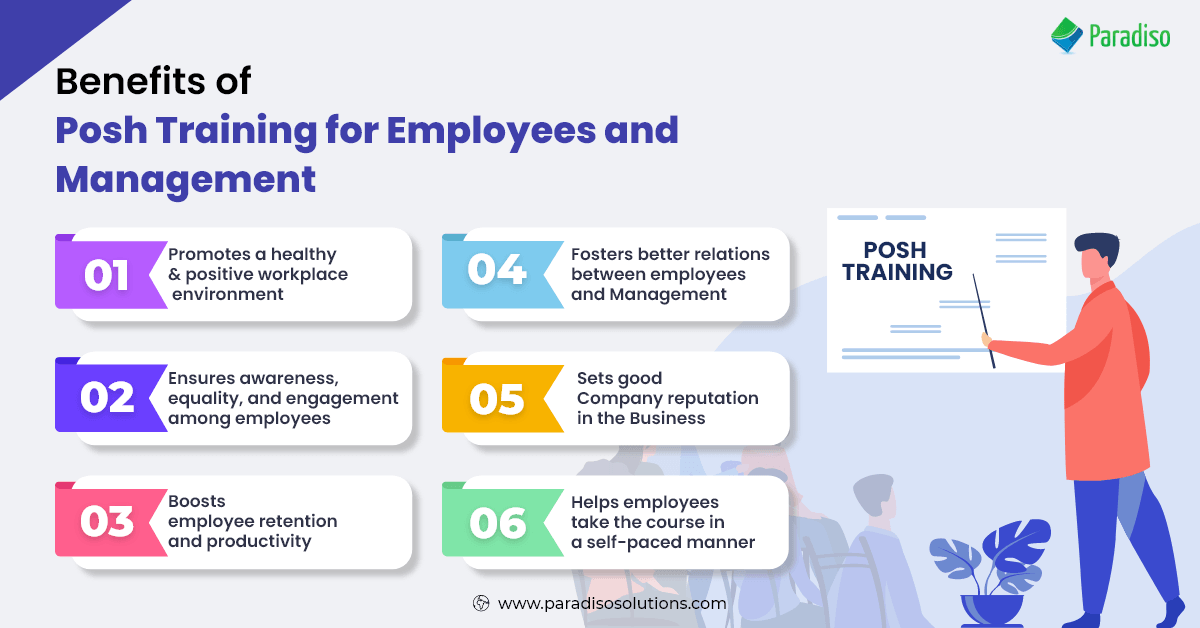
A workplace earns trust when people feel safe, respected, and heard. In India, the Prevention of Sexual Harassment of Women at Workplace Act 2013 sets the legal framework. Yet reputation grows from practice, not paperwork. Organisations with strong POSH practices signal integrity, care, and accountability. Over time, this credibility shapes how employees, candidates, clients, and regulators view the employer.
This article explains how robust POSH systems elevate employer reputation. It focuses on culture, compliance quality, leadership conduct, and transparent processes. The aim is practical insight grounded in experience and best practice.
Reputation begins with psychological safety
Reputation is not built through slogans. It grows when employees experience dignity in daily interactions. Strong POSH practices create psychological safety. People speak up without fear. Concerns are addressed promptly. Fair processes replace rumours.
When employees trust internal systems, attrition drops. Engagement improves. Teams collaborate better. Word travels fast in professional networks. A workplace known for safety attracts conscientious talent and retains high performers.
Compliance quality matters more than compliance speed
Many organisations focus on meeting deadlines and filing forms. Reputation depends on how compliance is implemented. A tick box approach weakens trust. A thoughtful approach strengthens it.
Quality POSH compliance includes a functional Internal Committee, clear policies, accessible reporting channels, and regular training. Investigations follow due process. Outcomes are reasoned and documented. Confidentiality is respected.
Stakeholders notice consistency. Regulators recognise seriousness. Courts look favourably on employers who show procedural integrity. This credibility reduces legal exposure and strengthens public perception.
Leadership conduct sets the tone
Employees judge intent through leadership behaviour. When senior management actively supports POSH initiatives, it sends a strong message. Silence or indifference does the opposite.
Visible leadership actions include attending training, reinforcing zero tolerance in communications, and respecting committee independence. Leaders who model respectful conduct influence culture more than any policy document.
A leadership led POSH culture signals maturity. Clients and partners value organisations where governance flows from the top. This trust translates into long term relationships.
Transparent processes build confidence
Opacity damages reputation. Transparency builds it. Strong POSH practices balance confidentiality with clarity. Employees understand how complaints are handled, timelines involved, and possible outcomes.
Clear communication reduces fear and misinformation. It reassures complainants and respondents. It also shows external stakeholders that the organisation values fairness.
Regular updates on policy changes, training schedules, and committee composition reinforce trust. Transparency does not mean public disclosure of cases. It means predictable and fair systems.
Training shapes everyday behaviour
Training is often treated as a formality. Effective programmes change behaviour. They clarify boundaries. They address grey areas. They equip employees to intervene and report responsibly.
Good training uses real scenarios, not legal jargon. It speaks to managers and frontline staff differently. It is refreshed regularly to reflect evolving norms and workplace realities.
Organisations known for meaningful training earn respect. Employees feel invested in. Candidates view training as a sign of seriousness. This strengthens employer branding organically.
Fair handling protects all parties
Reputation suffers when processes appear biased. Strong POSH frameworks protect complainants and respondents alike. Natural justice guides inquiries. Evidence is assessed objectively. Decisions are reasoned.
Fair handling prevents victimisation and malicious allegations. It reassures the workforce that outcomes depend on facts, not hierarchy. This balance enhances credibility across the organisation.
Over time, fairness becomes part of the employer identity. External observers recognise this consistency during disputes or audits.
Documentation strengthens institutional memory
Reputation is also built through consistency over time. Proper documentation ensures continuity even when teams change. Records support learning and improvement.
Well maintained records help organisations identify patterns, training gaps, and systemic issues. They also demonstrate seriousness during inspections or litigation.
Accurate documentation supports statutory obligations such as annual disclosures and filings. Many organisations strengthen this area by aligning processes with the POSH Annual Report Filing format to ensure clarity and consistency across years.
External expertise adds credibility
Engaging external experts improves quality and perception. Independent members bring neutrality. Consultants offer practical insight and updated legal understanding.
External involvement reassures employees of impartiality. It also signals to regulators and courts that the employer values best practice.
Many organisations choose to work with a POSH Consultant in Noida or other regional experts to strengthen implementation, training, and committee functioning. This support often reflects positively during audits and disputes.
Reputation influences talent acquisition
Today’s workforce evaluates employers beyond pay. Safety, ethics, and governance matter. Candidates research policies and employee reviews. Strong POSH practices stand out.
An employer known for respectful culture attracts diverse talent. Women professionals, in particular, assess safety seriously. Inclusive workplaces gain access to wider skill pools.
Recruitment outcomes improve when reputation aligns with values. This reduces hiring costs and enhances long term performance.
Client and investor confidence grows
Reputation extends beyond employees. Clients and investors assess risk. Poor handling of harassment issues creates legal and brand exposure. Strong systems reduce uncertainty.
Demonstrable POSH compliance reassures stakeholders of governance maturity. It aligns with ESG expectations and corporate responsibility standards.
In competitive markets, trust becomes a differentiator. Strong internal practices support external confidence.
Continuous improvement sustains trust
Reputation is fragile. It requires ongoing effort. Strong POSH practices evolve with feedback, case learnings, and legal developments.
Periodic policy reviews, refresher training, and committee evaluations keep systems effective. Employee surveys offer insight into lived experience.
Organisations that adapt remain credible. Those who stagnate lose trust. Continuous improvement signals commitment, not complacency.
Conclusion
Strong POSH practices do more than meet legal requirements. They shape culture, protect dignity, and build lasting trust. Reputation grows when safety is real, processes are fair, and leadership is accountable.
Employers who invest in quality compliance gain more than risk protection. They earn loyalty, attract talent, and inspire confidence across stakeholders. In a connected world, this reputation becomes one of the most valuable organisational assets.


Comments
Post a Comment